Best Electric Bike Conversion Kits (2026): 6 Mid-Drive, Hub and Clip-On Kits Compared
Affiliate disclosure: RiderMojo may earn a commission from qualifying purchases, including as an Amazon Associate, at no extra cost to you.
Got a bike in the garage that you actually like riding, but hills, headwinds or a longer commute keep it parked? An electric bike conversion kit can turn that bike into an e-bike for less than the price of many complete e-bikes, and you keep the frame, fit and components you already know.
The catch is that “conversion kit” covers very different products: mid-drive motors that bolt into your bottom bracket, hub motors that replace a wheel, and clip-on friction drives that install in minutes. Pick the wrong type and you end up with a kit that does not fit your frame, your brakes or your local e-bike rules.
Below are six kits that were in stock on Amazon when we checked on November 12, 2026, from proven Bafang and Tongsheng motors to the tool-free LIVALL PikaBoost 2. We have not installed or road-tested these specific kits. Specs come from the live listings and the brands, and we point out where a listing is vague or contradicts itself. If you already know you want a hub motor, our existing PEXMOR conversion kit review covers another popular budget option.
Watch the Quick Video Guide
Quick picks: best e-bike conversion kits
| Kit | Type | Motor (per listing) | Best for | Link |
|---|---|---|---|---|
| Bafang BBS02B 750W | Mid drive | 48V 750W, 120 N·m | Best overall / hills | Check price on Amazon |
| Tongsheng TSDZ2B 500W | Mid drive (torque sensing) | 48V 500W | Most natural pedal feel | Check price on Amazon |
| Bafang 500W/750W Rear Hub | Rear hub (geared) | 48V 500W/750W, 65 N·m | Best rear-wheel swap for commuters | Check price on Amazon |
| Bafang 500W Front Hub + Battery | Front hub (geared) | 48V 500W, 65 N·m | Easiest complete kit for beginners | Check price on Amazon |
| Bafang 1000W Fat Tire Hub | Rear hub, fat tire | 48V 1000W, 85 N·m | Fat bikes, snow and sand (off-road) | Check price on Amazon |
| LIVALL PikaBoost 2 | Seatpost friction drive | 220Wh built-in battery | Fastest install, no wiring | Check price on Amazon |
Mid drive vs hub motor vs friction drive: watch this first
If you are new to e-bike motors, this explainer from Biktrix covers the core trade-off: mid drives use your gears and climb better, while hub motors are simpler and put less strain on your chain.
1. Bafang BBS02B 48V 750W Mid Drive Kit: best overall
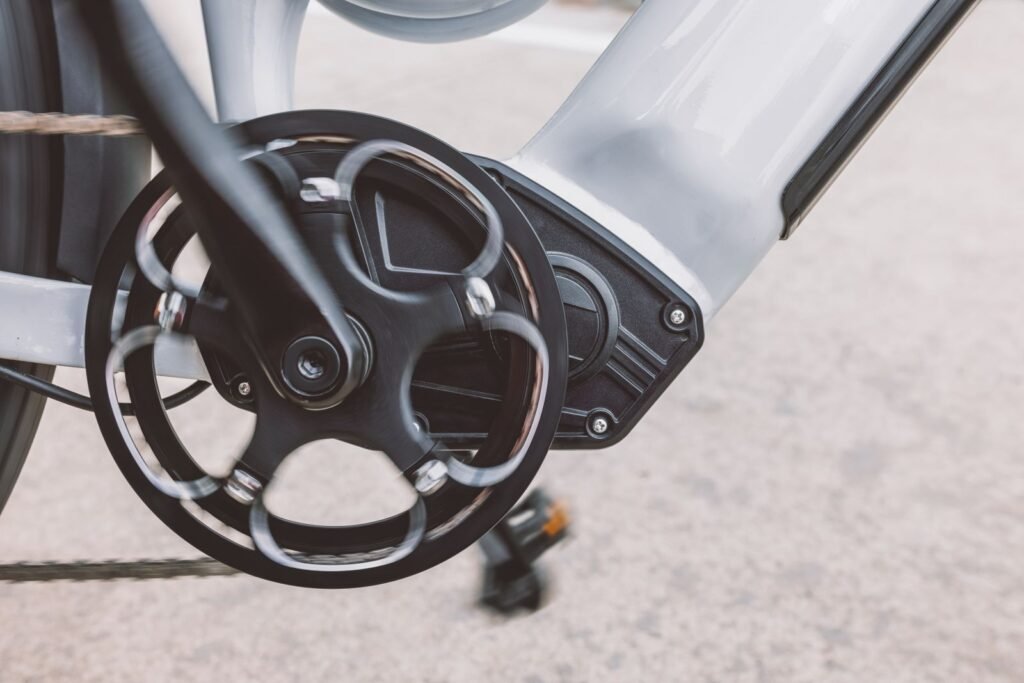
The Bafang BBS02 has been the default DIY mid drive for years, and this is the newer CAN bus version. The motor replaces your bottom bracket and drives the chain, so it works through your bike’s gears. That is why mid drives feel so strong on hills. The listing claims 120 N·m of torque, offers throttle, pedal assist and regular pedaling, and on the CAN displays you change settings on the display or in the Bafang GO app instead of with a programming cable.
Key specs (from the Amazon listing)
- 48V 750W BBS02B mid drive motor, CAN bus version; listing claims 120 N·m torque
- Fits 68–73 mm bottom brackets; not for carbon frames or bikes with coaster (pedal) brakes
- Display options: VD03, EKD01, VD618, Bafang DPC010 and DPC080
- Listing says up to 45 km/h (about 28 mph); modes: throttle, pedal assist, normal cycling
- Includes motor, 44T chainwheel, dual-Hall speed sensor and magnet, brake levers or sensors, cranks, EB-BUS cable, thumb throttle, lock nut, install tool and headlight
- Warranty listed as 30-day returns and 365-day repair or replace
Pros
- Uses your gears, so it is the strongest climber here
- Huge community of install guides and replacement parts
- CAN version adds app and display configuration
- Keeps your original wheels
Cons
- Package contents do not list a battery, so budget for a compatible 48V pack
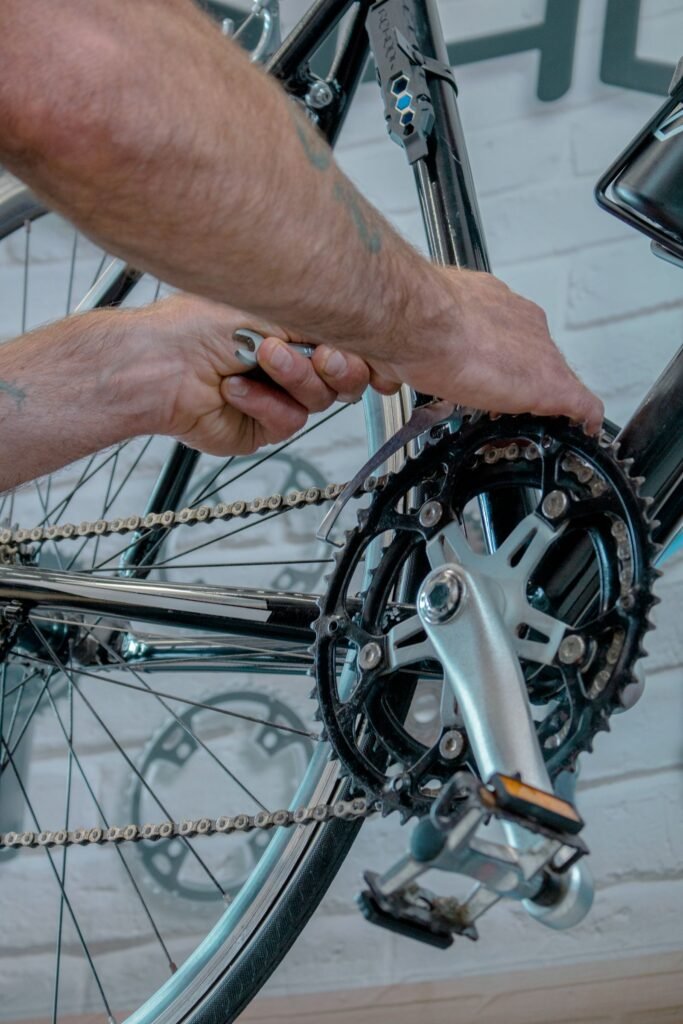
- Install means pulling cranks and the bottom bracket
- Puts more wear on the chain and cassette than a hub motor
- 750W is at the top of the U.S. e-bike class limit, so check local rules
Best for: riders with a steel or aluminum mountain, hybrid or commuter bike who want real climbing power and do not mind a couple of hours with tools.
Want to see the job before you commit? This install-and-ride video walks through a BBS02B 750W conversion from start to finish:
2. Tongsheng TSDZ2B 48V 500W Mid Drive: most natural ride feel
Tongsheng’s TSDZ2 family is known as the budget torque-sensing mid drive. Instead of just detecting that the cranks are turning, a torque sensor adds power in proportion to how hard you push, which feels much more like a factory e-bike. This TSDZ2B kit pairs the 500W motor with Tongsheng’s B02N color display, app control and over-the-air firmware updates.
Key specs (from the Amazon listing)
- 48V 500W TSDZ2B mid drive motor
- Fits 68–73 mm bottom bracket shells; frame tube at least 33.5 mm diameter and under 8 mm thick
- Mechanical brake cut-off levers included
- B02N color display with app control and OTA firmware updates
- Dual-plug speed sensor ready for display-controlled lights (light kit not included)
Pros
- Torque-sensing assist feels smooth and natural
- 500W is friendlier to Class 1/Class 3 e-bike rules than 1000W kits
- Modern display with app and firmware updates
- Lighter-duty but cheaper than many Bafang mid drives
Cons
- Less peak power than the BBS02B
- No battery listed in the kit
- Same bottom-bracket install work as any mid drive
- Check frame clearance near the chainstays before buying
Best for: fitness riders and commuters who want the bike to feel like a bike, just easier.
3. Bafang 48V 500W/750W Rear Hub Kit: best rear-wheel swap
If pulling a bottom bracket sounds like too much, a rear hub kit is the simpler route: you swap the rear wheel for one with the motor built in, mount the controller, and run the wires. This Bafang geared hub comes in 500W and 750W versions and in common wheel sizes from 20″ to 29″/700C. Since the motor pushes the wheel directly, your chain and gears wear about as fast as on a regular bike.
Key specs (from the Amazon listing)
- Brushless geared rear hub, 48V 500W or 750W; listing claims 65 N·m max torque, up to 40 km/h (about 25 mph)
- IPX5 water resistance; listed noise under 55 dB
- Fits 135–142 mm rear dropouts with a 10-speed or smaller cassette; works with V-brakes or disc brakes
- 4 riding modes: throttle, pedal assist, walk assist, pedal-only
- Display options: VD04, Bafang DPC18, SWM58, DZ40, EKD01, VD18MT
- Optional 48V (13–20Ah) or 52V 20Ah batteries; motor uses a male XT60 connector
Pros
- Easier install than a mid drive
- Works with rim (V) or disc brakes
- Wide choice of wheel sizes and displays
- Low drivetrain wear
Cons
- Adds weight to the back of the bike
- Weaker on steep hills than a mid drive in low gear
- “Without battery” option ships no battery, so pick carefully
- Rear flat repairs get a little more involved
Best for: commuters and casual riders with a standard hybrid or mountain bike.
4. Bafang 48V 500W Front Hub Kit with Battery: easiest complete kit
A front hub is usually the easiest conversion of all: no cassette, no derailleur, no chain to deal with. This Bafang kit is sold with battery options (downtube or rear-rack packs with built-in locks and USB ports), which makes it one of the few true “everything in one box” choices. The listing says the kit is about 90% pre-assembled and has video install guides.
Key specs (from the Amazon listing)
- Brushless geared front hub, 48V 500W; listing claims 65 N·m max torque and up to 40 km/h
- IPX5 water resistance; rated for -20°C to 45°C
- Fits 100 mm quick-release front forks; works with V-brakes or disc brakes
- 4 modes: throttle, pedal assist, walk assist, pedal-only
- Battery options: 48V downtube or rear-rack packs with locks, USB port and LED indicator; listing claims 50 km+ range
- Listed as one-year warranty with lifetime technical guidance
Pros
- Simplest wiring and install here
- Battery available in the same listing
- Leaves your drivetrain untouched
- Works on many older bikes
Cons
- Front-wheel drive can spin out on loose or wet climbs
- Use a torque arm, especially on aluminum or suspension forks
- Prices change a lot depending on battery size
- Check that the “with battery” option is selected before you check out
Best for: first-time DIYers converting a commuter or older bike.
5. Bafang 48V 1000W Fat Tire Rear Hub Kit: best for snow and sand
Already own a fat-tire bike? This kit is built for one. It ships with a pre-laced fat-tire rear wheel and a 1000W Bafang hub the listing rates at 85 N·m, which is a lot of shove for snow, sand and loose trail. Fit is strict: you need 175 mm rear dropout spacing and disc brakes.
Key specs (from the Amazon listing)
- 48V 1000W rear hub (model RM G062.1000.DC); listing claims 85 N·m torque, up to 45 km/h
- IPX6 water resistance; listed at about 55 dB
- For 20″ and 26″ fat-tire bikes with 175 mm rear dropouts; disc brakes only (no V-brakes)
- Includes pre-laced wheel with motor, controller, PAS sensor, thumb throttle, brake levers, cables and tools
- No battery included; display options vary by variant (the listing mentions EKD01 and DPC18/C18)
Pros
- Most power and torque in this list
- Purpose-built for fat bikes
- IPX6 rating is the highest here
- Complete wheel saves lacing work
Cons
- 1000W is over the 750W limit most U.S. states use to define an e-bike, so treat it as off-road/private land unless your local laws say otherwise
- Needs a high-current 48V battery (not included)
- Narrow compatibility
- Heavy rear wheel
Best for: fat-bike owners riding winter trails, beaches or private land.
6. LIVALL PikaBoost 2: fastest, no-wiring install
The PikaBoost 2 takes a different approach. It is a compact friction-drive unit with a built-in battery that clamps to a round seatpost and presses a small drive wheel against your rear tire. Since there is no wiring, no wheel swap and no new cranks, LIVALL says it installs in minutes, and you can switch back to normal pedaling without removing it. It is pedal-assist only.
Key specs (from the Amazon listing)
- Built-in 220Wh lithium battery with BMS; listing claims up to 70 km (43 miles) in ideal conditions
- Fits round seatposts from 25–35 mm; not for children’s bikes; needs a 65W USB-C charger (not included)
- Gyroscope cuts power above 30° of tilt and triggers an SOS alert above 60°
- App setup and 3 modes: Assist, Cruise and Workout
- V-shaped drive tire rated for 3,000–5,000 km; unit weight 6.6 lb
- Includes remote controller, mudguard, install pack and USB-C cable; 1-year warranty
Pros
- Easiest install by far, with no wiring
- Moves between bikes with compatible seatposts
- Light compared with full kits
- Battery included
Cons
- Friction drives wear the tire and can slip in rain
- Far less power than the Bafang and Tongsheng motors
- Charger sold separately
- Pedal assist only, with no throttle
Best for: road and hybrid riders who want a gentle boost and zero wrenching.
Buyer’s guide: how to choose an e-bike conversion kit
1. Measure before you buy
- Mid drive: bottom bracket shell width (most kits here fit 68–73 mm) and whether your frame is steel or aluminum (skip carbon).
- Rear hub: rear dropout spacing (135–142 mm for most bikes, 175 mm or more for fat bikes), wheel size and cassette vs freewheel.
- Front hub: fork dropout width (usually 100 mm) and brake type.
- Friction drive: seatpost shape and diameter.
2. Choose your motor type
Choose a mid drive for hills and natural power through your gears, a hub motor for simplicity and low drivetrain wear, and a friction drive for convenience. Direct-drive (gearless) hubs can be set up for regenerative braking. I saw what regen can do while driving more than 16,000 Uber rides in a 2019 Nissan Leaf, which went 200,000 miles on its original brake pads. On a bicycle, though, regen gives back very little range, so treat it as a braking perk. The geared Bafang hubs above freewheel and do not regen.
3. Budget for the battery
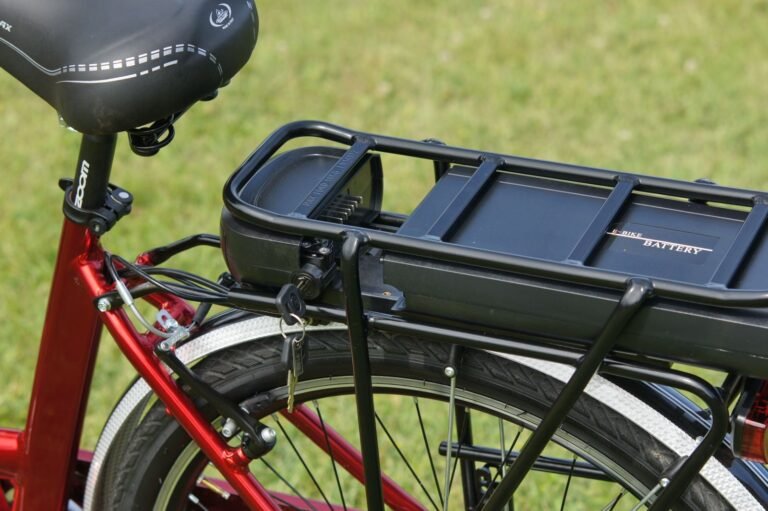
Most of these kits ship without a battery, and the battery is often the most expensive part. Match the kit’s voltage (48V here), make sure the pack can supply enough current for the motor, and check the connector type (the Bafang rear hub uses XT60). Buy from a reputable seller and look for packs certified to UL 2271 (batteries) or systems certified to UL 2849 (e-bike electrical systems). In June 2026 the U.S. Consumer Product Safety Commission proposed a mandatory safety standard for lithium-ion micromobility batteries after numerous fires, injuries and deaths. Charge on a hard surface away from exits, and never use a damaged pack.
4. Know your local e-bike class rules
Most U.S. states use a three-class system with motors capped at 750W: Class 1 is pedal assist to 20 mph, Class 2 adds a throttle to 20 mph, and Class 3 is pedal assist to 28 mph. PeopleForBikes keeps a state-by-state guide. A 1000W kit, or a kit programmed above those speeds, can turn your bike into an unregistered motor vehicle in the eyes of the law, which affects where you can ride and how insurance treats a crash.
5. Do not forget brakes and safety
More speed means more stopping. Use the kit’s brake cut-off levers, check pads and cables, and consider upgrading to hydraulic discs if your bike supports them. Our e-bike accessories guide covers lights, locks and helmets, and our e-bike theft prevention guide is worth reading once your bike is suddenly worth stealing.
Rather skip the DIY?
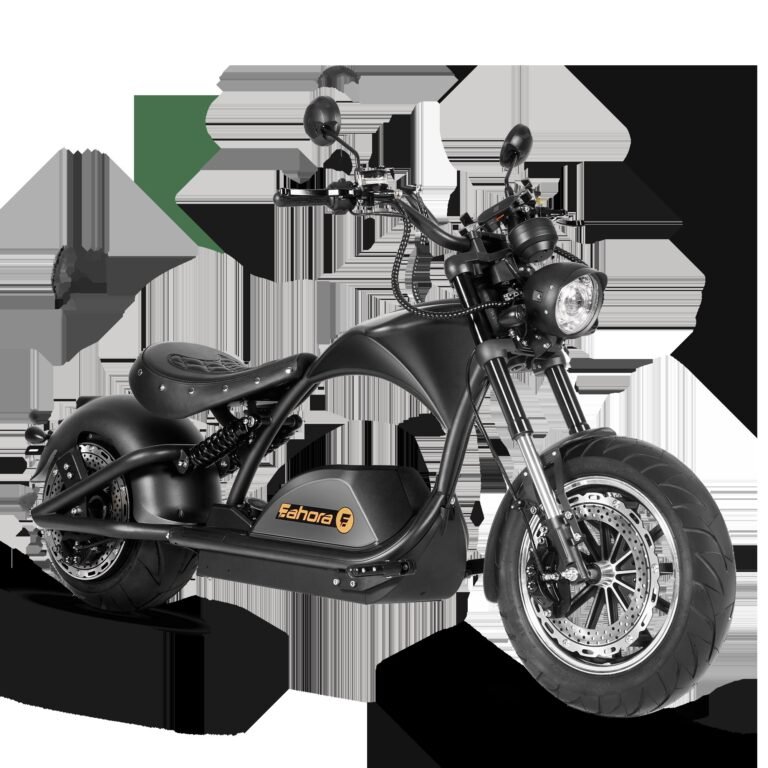
If what you really want is seated, effortless power for errands and cruising, a ready-built ride may make more sense than a kit. Our family rides an Eahora M1P, and both M1P versions are listed at 2,000W and up to 37 mph. That makes it a moped-class machine, not a bicycle, so check your local rules. Use code DRIVERMOJO for $400 off at Eahora. For traditional e-bikes, see our best electric bikes for adults and best cheap e-bikes under $500.
E-bike conversion kit FAQ
Is it cheaper to convert a bike or buy an e-bike?
Often, yes, if you already own a good bike. But once you add a quality battery, a display and possibly brake upgrades, a big kit can approach the cost of a budget e-bike. Conversion makes the most sense when your current bike fits you well and is in good mechanical shape.
How hard is it to install an e-bike conversion kit?
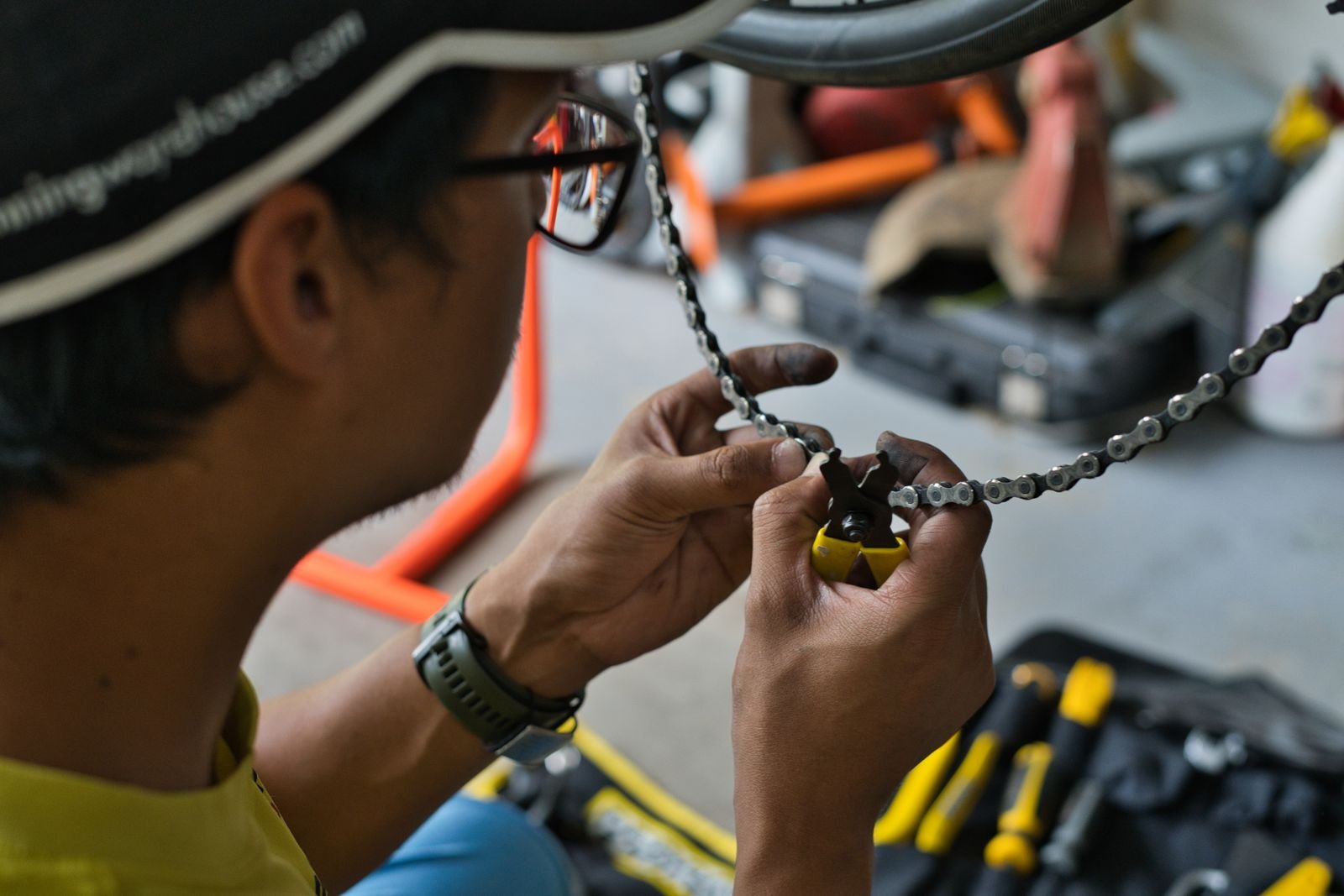
Friction drives like the PikaBoost 2 take minutes. Front and rear hub kits are a wheel swap plus wiring, which is a few hours for a handy home mechanic. Mid drives require removing cranks and the bottom bracket and usually need a crank puller and bottom bracket tool. If you are unsure, a local bike shop can do the install.
Which is better, a mid drive or a hub motor?
Mid drives climb better and feel more natural because they use your gears. Hub motors are simpler, cheaper and easier on your chain. For flat commutes, a hub is plenty. For steep hills or trails, pick a mid drive.
Do e-bike conversion kits come with a battery?
Many do not. In this list, the Bafang front hub listing offers battery bundles and the LIVALL PikaBoost 2 has one built in. The BBS02B, TSDZ2B, rear hub and fat-tire kits do not list one in the base package, so check the variant you select.
Can I put a conversion kit on a carbon fiber bike?
Generally no. The Bafang BBS02B listing specifically excludes carbon frames, and the clamping forces and torque of mid drives and hub motors can damage carbon. A seatpost friction drive is the least invasive option, but check with your frame maker first.
Is a 1000W conversion kit street legal?
In most U.S. states, no, not as an e-bike. The common definition caps motor power at 750W. Rules vary by state and city, so check your local laws before riding a high-power kit on public roads or bike paths.
Bottom line
For most riders, the Bafang BBS02B 750W is still the conversion kit to beat if you want hill-climbing power and a huge support community. Choose the Tongsheng TSDZ2B for a smoother, more natural torque-sensing feel, the Bafang front hub with battery for the simplest complete install, and the LIVALL PikaBoost 2 if you never want to pick up a wrench. Whatever you choose, measure your bike first, budget for a safe battery and stay within your local e-bike rules.